Explore Muldrow Roofer for Roof Maintenance
Explore Muldrow Roofer for Roof Maintenance
Blog Article
Reliable Roofing Contractor Offerings for Resilient and Dependable Roofing Solutions
A trusted roofer plays an crucial part in guaranteeing the longevity and reliability of a home's roofing system. Homeowners must consider multiple factors when selecting a roof specialist. From understanding roof types to evaluating roofing professionals' credentials, each component leads to an effective project. Yet, many property owners remain uncertain about where to begin. Identifying the right approach can comprehensive resource greatly impact both aesthetics and financial security. What steps should one follow to navigate this complex procedure?
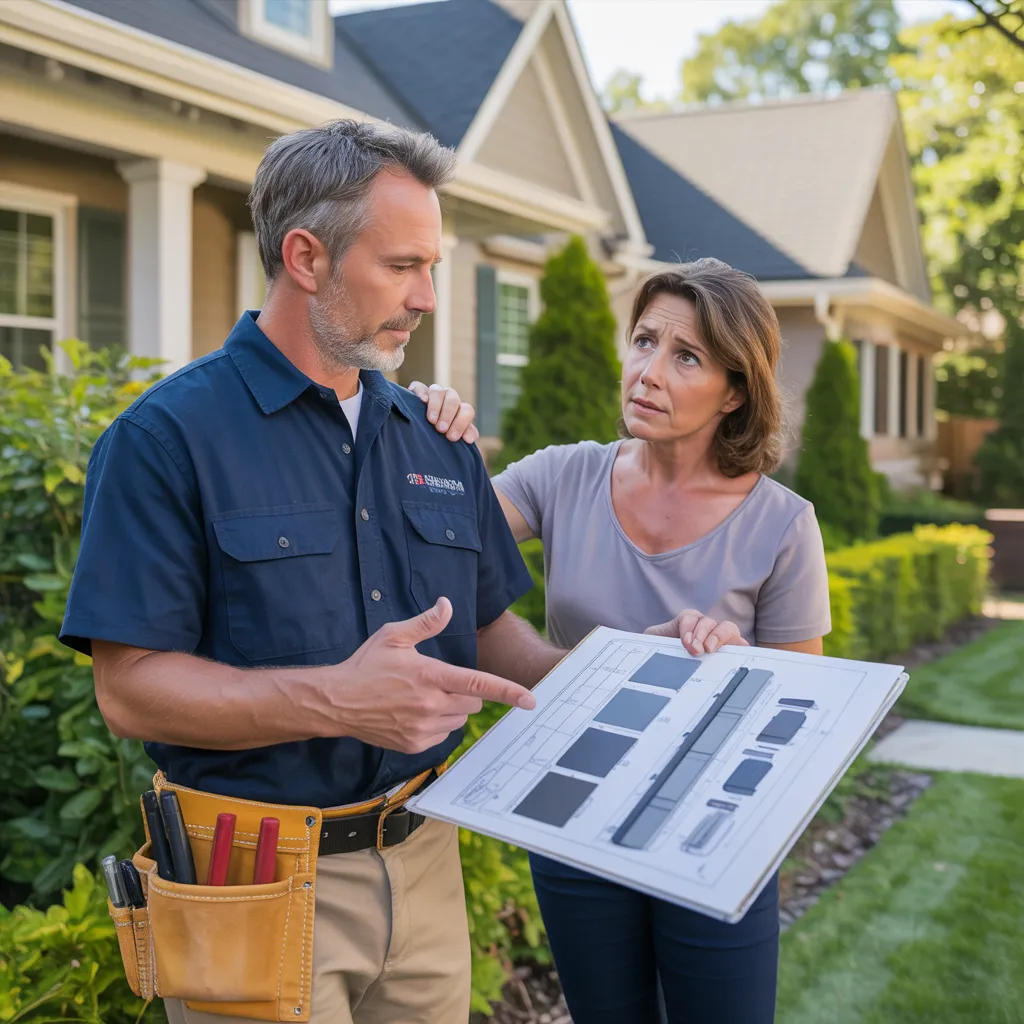
How to Recognize a Reputable Roofer
When selecting a trusted roofer, what important qualities should one focus on? First, experience plays a significant role; an experienced roofer with years of work demonstrates skill and reliability. It's essential to confirm their credentials and coverage, as this safeguards homeowners from potential risks. Moreover, a established roofer should provide warranties on both materials and workmanship, demonstrating assurance in their services.
One more noteworthy consideration is communication. A trusted roofer should be quick to respond and clear, presenting complete estimates and timelines. Client feedback and references from earlier clients can offer knowledge into their trustworthiness and standard of work of performance. Additionally, understanding local building requirements and regulations is necessary, as regulatory compliance guarantees safety and legality. Finally, a commitment to procuring high-grade materials reflects a roofing contractor's dedication to long-lasting results. By centering on these significant features, homeowners can arrive at educated picks when appointing a roofing professional.
What Roof Options Are Best for You?
Determining the best roof option can feel like a tough decision, as different materials and designs serve diverse tastes and requirements. Homeowners need to think about considerations like climate, budget, and aesthetic value when selecting a roofing system. Shingle roofing made from asphalt are well-liked for their affordability and simple installation, proving suitable for residential properties. Metallic roofing systems, esteemed for its strength and longevity and energy efficiency, appeals to those wanting extended life.
If you prefer a classic appearance, wood shakes or tiles provide natural beauty but may require more maintenance. Slate and clay tiles offer exceptional longevity and are perfect for upscale homes, although they can be more expensive.
In the final analysis, the correct roofing option relies on specific factors, including local building codes and personal choices. Speaking with a trusted roofer can support homeowners evaluate these selections, ensuring they choose a roofing option that fulfills their specific needs while improving the overall value of their property.
The Importance of Quality Roofing Materials
Picking the right roofing option is only the commencement; the quality of roofing materials plays a major role in the overall performance and longevity of a roof. High-quality materials, such as asphalt shingles, metal, or slate, provide enhanced durability and resilience to environmental factors. They can resist extreme weather conditions, reducing the occurrence of repairs and replacements.
Investing in excellent materials can result in enhanced energy efficiency, as they often offer better insulation properties. This not only adds to ease within the home but can also reduce energy bills over time. Additionally, quality materials typically come with extended warranties, offering homeowners confidence regarding their investment. Opting for quality roofing materials ultimately ensures that a roof remains serviceable and aesthetically pleasing for years, preserving the property's value. Therefore, understanding the significance of material selection is vital for anyone considering a roofing project.
Reviewing Your Roofing Contractor's Certifications
A detailed evaluation of a roofing contractor's credentials is essential for achieving a successful roofing project. Homeowners should commence by validating licenses and insurance to protect themselves from financial risk in case of accidents. Examining for industry certifications can also reveal a contractor's devotion to quality and continual education in roofing techniques and materials.
In addition, reviewing prior projects and customer testimonials yields perspective into the contractor's work quality and trustworthiness. It is prudent to obtain references and to reach out with former clients about their experiences. Further, understanding the contractor's warranty policies can expose their faith in their work and the materials applied.
Finally, considering the contractor's expertise in the specific type of roofing needed can additionally direct homeowners in making an well-informed decision. By thoroughly evaluating these qualifications, homeowners can choose a reliable contractor and ensure a long-lasting roofing solution.
Tips for Budgeting Your Roofing Project
Creating a budget for a roofing project requires careful planning and consideration of various factors that influence overall costs. Homeowners should begin by evaluating the type of roofing materials desired, as prices can vary greatly between asphalt shingles, metal roofs, and tiles. Labor costs also play an essential role; obtaining multiple quotes from licensed contractors can help ensure reasonable pricing.
In addition, it is critical to account for potential unexpected expenses, such as repairs to underlying structures or the permit acquisition. A contingency fund of approximately 10-20% of the total budget is advisable to cover these surprise expenses. Property owners should also consider the duration of their initiative, as seasonal shifts can determine staffing levels and material costs. By carefully estimating these elements, people can formulate a realistic budget that supports both vital costs and any additional features they may wish to include in their roofing undertaking.
Regular check-ups Are crucial
Regular inspections play a vital role in increasing the longevity of a new roof. Conducting these evaluations at least twice a year helps detect potential issues before they worsen. Experienced experts can assess the roof's condition, examining signs of wear, tear, or damage caused by environmental factors. Additionally, inspecting gutters and downspouts guarantees proper drainage, which is essential for preventing water accumulation. Homeowners should also consider seasonal inspections, especially after severe weather events. By emphasizing regular inspections, property owners can maintain their roofs properly, making sure they remain durable and reliable over time. This proactive approach not only increases the roof's longevity but also secures the overall integrity of the home.
Expedient Repairs Prevent Impairment
Following routine inspections, taking care of necessary repairs quickly is essential for maintaining a new roof's integrity. Roofs are affected by wear from different environmental factors, and even slight issues can grow into major damage if left unattended. Timely repairs can prevent leaks, mold growth, and structural deterioration, eventually extending the roof's lifespan. Homeowners should prioritize fixing loose shingles, damaged flashing, or clogged gutters as soon as they are identified. Additionally, seasonal weather changes may exacerbate existing problems, making timely interventions even more critical. By ensuring that repairs are made swiftly, homeowners not only protect their investment but also enhance the overall safety and comfort of their living spaces. Routine maintenance and prompt action are the keys to a durable roofing solution.
Common Inquiries Asked Often
How long Does a Standard Roofing Project Take to Finish?
A typical roofing project generally requires 1-3 weeks to finish. Factors influencing the duration encompass the size of the project, atmospheric factors, and the intricacy of the roof structure being installed or repaired.
What Warranties Are Provided for Roofing Services?
Various warranties are available for roofing work, such as material warranties, workmanship warranties, and extended coverage options. These warranties typically span five to twenty years, depending on the materials and contractor agreements involved in the project.
May I occupy My Home During Roof Installation?
Homeowners may often remain in their homes during roof installation, but it copyrights on the project's scale and noise levels. Contractors typically advise on well-being and comfort, proposing temporary relocation if necessary.
How Do Weather Conditions Impact Roofing Work?
Weather conditions greatly impact roofing work; rain can create delays and safety hazards, while extreme heat may affect materials. Wind can complicate installation, requiring careful consideration to guarantee quality and safety during the process.
What Ought to I Do if I Find Leaks After Setup?
After discovering leaks following installation, the homeowner should promptly contact the roofing contractor for an inspection. Photographing the issue with photos and notes can aid in fixing the problem efficiently and confirm proper repairs.
Report this page